State Approval Timelines Shaping New Game Title Rollouts in Licensed Digital Venues Nationwide
Tina Lang · Jun 22, 2026
State Approval Timelines Shaping New Game Title Rollouts in Licensed Digital Venues Nationwide
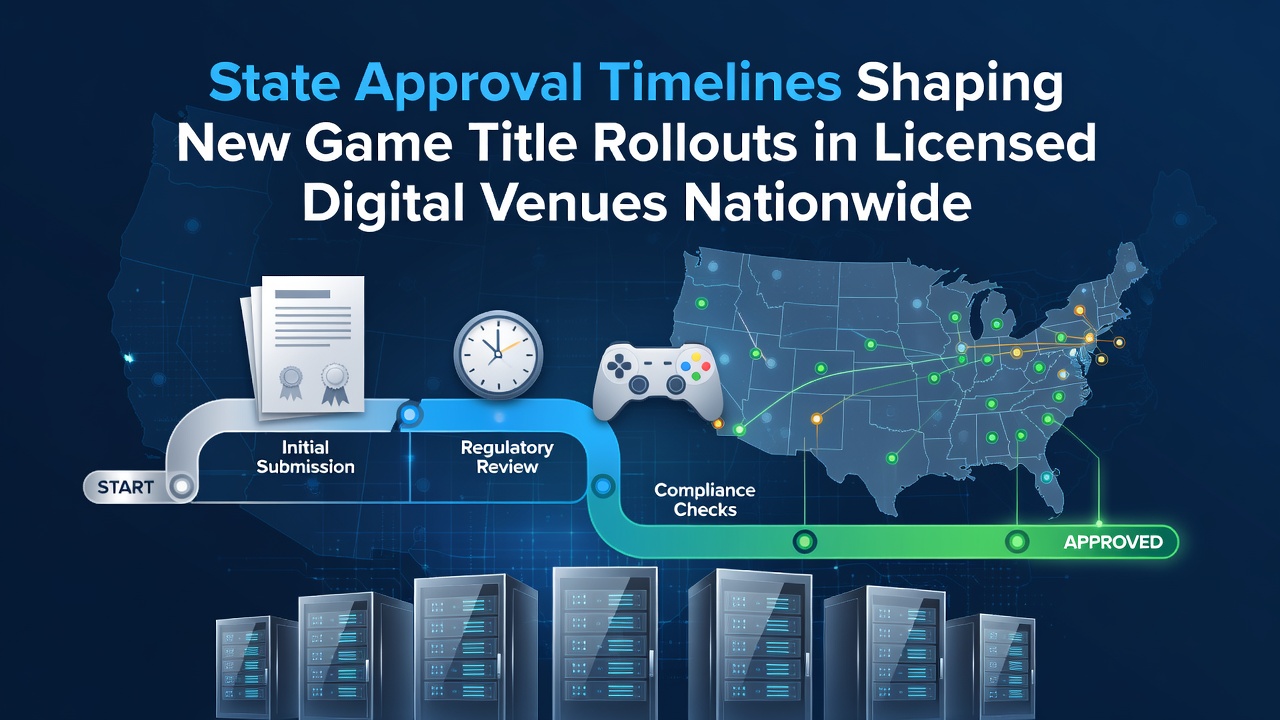
State regulatory bodies across the country maintain distinct approval processes that directly determine when new game titles reach licensed digital platforms, and these timelines create measurable differences in rollout schedules from one jurisdiction to another. Data from licensing records shows that some states complete reviews in weeks while others extend evaluations across several months, which affects how quickly operators introduce fresh content to users. Observers note that the core stages typically include technical testing, compliance verification, and final certification, yet each state assigns different weights and durations to these phases. New Jersey and Pennsylvania, for example, operate dedicated digital gaming divisions that coordinate parallel reviews for slots and table game adaptations, whereas other states route applications through broader lottery or racing commissions that handle multiple industries simultaneously.Variations in State Review Durations
Research from gaming control boards indicates average approval periods range from 45 days in streamlined markets to over 120 days in jurisdictions with layered oversight requirements. Michigan and West Virginia have adopted expedited tracks for certain game categories since 2023, allowing operators to submit standardized documentation that reduces redundant submissions. In contrast, states newer to digital licensing often require extended market impact studies before granting clearance, which adds sequential steps rather than concurrent ones.
These differences produce staggered national rollouts where a single title might appear in one state weeks ahead of others, and operators adjust their development calendars accordingly. Figures released by the American Gaming Association reveal that companies frequently prioritize submissions to faster jurisdictions first, then expand to slower markets once initial certifications clear.
How Timelines Affect Content Availability
Operators report that extended approval windows force them to maintain larger content pipelines to compensate for delays, since a game cleared in one state cannot automatically launch elsewhere without separate review. This pattern becomes especially visible with live dealer adaptations and sports betting integrations that demand jurisdiction-specific RNG audits and user interface checks. By June 2026 several states plan to align certain technical standards under reciprocal agreements, which could shorten repeat testing phases for titles already certified elsewhere.
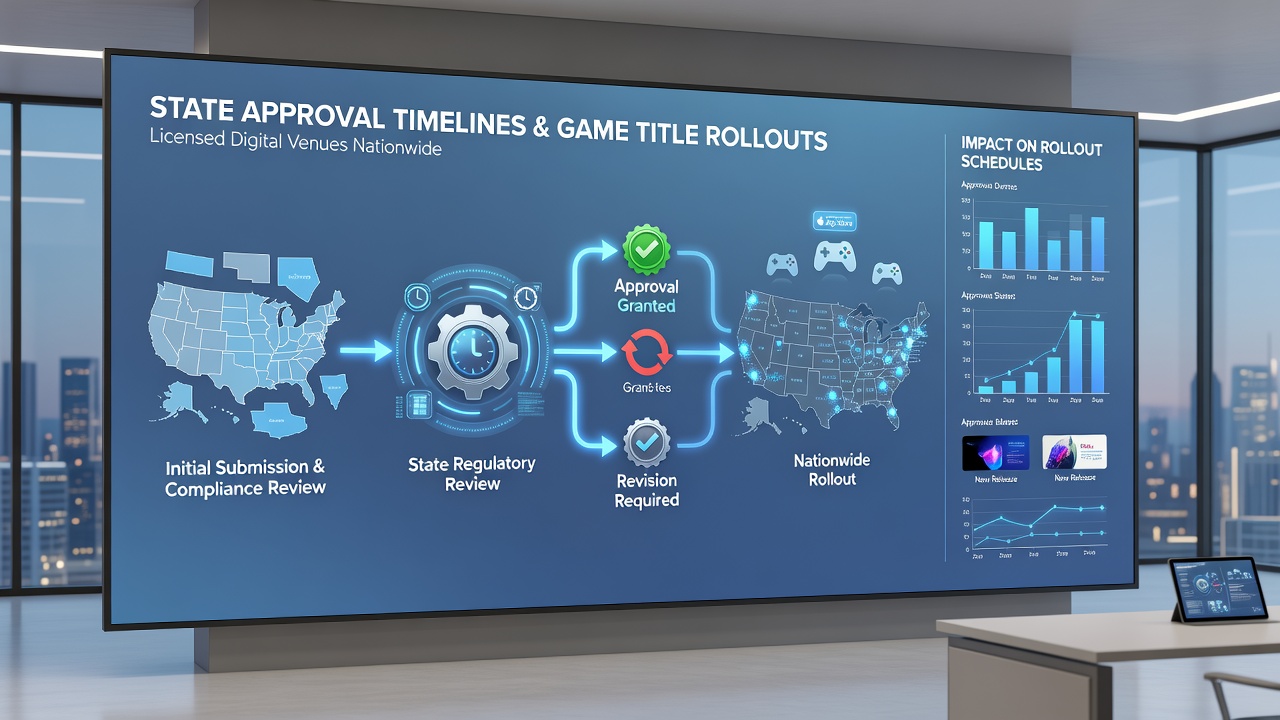
What's interesting is how these staggered schedules influence player options nationwide. Data shows that users in states with quicker certification cycles encounter new releases earlier, while those in slower markets wait for subsequent batches. Industry tracking services document that titles often receive updates between state approvals to meet varying technical specifications, further extending the overall cycle.
Case Examples from Multiple Jurisdictions
One documented sequence involved a major slot developer that submitted the same base game to five states in early 2025. Pennsylvania completed certification in 52 days, New Jersey followed at 68 days, while two additional states required supplementary responsible gaming modules that pushed final approval past 100 days each. The resulting launch map showed the title appearing in different venues over a four-month spread rather than a single coordinated release.
Similar patterns appear with sports wagering features, where states mandate unique integration tests with local data feeds before clearing new event types. Michigan's gaming authorities, for instance, published updated guidelines in 2024 that tie approval speed to pre-submission completeness, rewarding operators who include full source code and third-party audit reports upfront.
Outlook Through Mid-2026
State legislatures continue to evaluate proposals that would standardize portions of the approval workflow, particularly around software testing protocols and financial reporting formats. Several commissions have signaled interest in adopting shared certification databases by mid-2026, which would allow one state's completed review to serve as partial validation in others. Early pilot programs already show reduced duplication when states exchange verified test results, though full implementation remains subject to legislative calendars and budget allocations.
Those tracking regulatory filings note that operators have begun structuring release schedules around anticipated policy shifts, preparing multiple versions of each title to satisfy both current and emerging requirements. This approach minimizes gaps once updated frameworks take effect.
Conclusion
State approval timelines function as gatekeepers that shape the pace and sequence of new game introductions across licensed digital venues, creating a patchwork of availability that reflects each jurisdiction's distinct regulatory priorities and administrative capacities. As more states refine their processes and explore reciprocal arrangements ahead of 2026, the national landscape of digital gaming content continues to evolve in direct response to these procedural differences.