Payment Innovations Driving Fluid Movement Between Chance-Based Machines and Competitive Events in Approved Applications
Uma Fischer · Jul 8, 2026
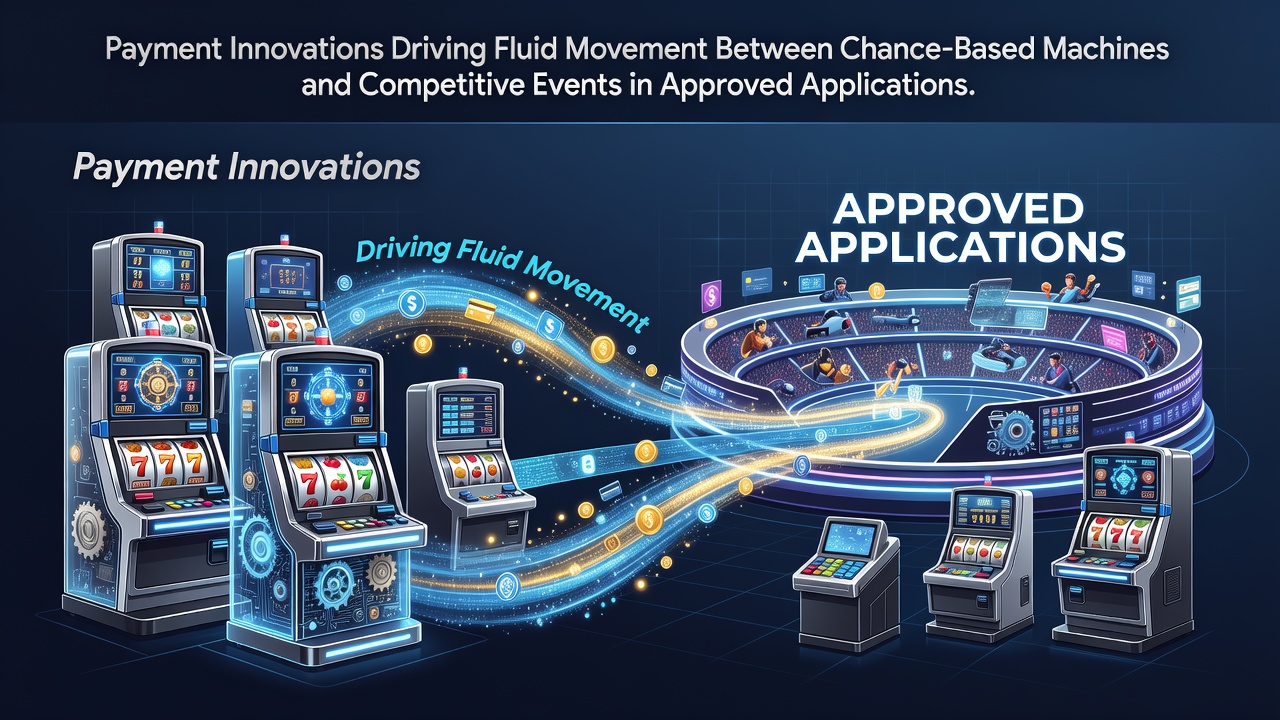
Payment Innovations Driving Fluid Movement Between Chance-Based Machines and Competitive Events in Approved Applications
Payment systems have evolved to support direct transitions between chance-based machines such as video slots and competitive event markets including sports wagering within jurisdiction-approved applications. These innovations rely on integrated ledgers and real-time verification protocols that allow users to shift funds without exiting the platform environment. Data from state regulatory reports show increased transaction volumes across connected game formats during the first half of 2026. Developers implement API frameworks that synchronize player accounts across different game categories. When a user completes a session on a slot machine, remaining balances transfer instantly to a sports betting module through encrypted channels. This process uses tokenization methods that maintain compliance with financial tracking requirements established by oversight bodies. Observers note that such connectivity reduces friction in multi-format sessions and aligns with standards set by agencies like the New Jersey Division of Gaming Enforcement.Core Technologies Enabling Seamless Transfers
Blockchain-based settlement layers provide immutable records for every fund movement between game types. These systems record each transfer as a timestamped entry that auditors can review without exposing personal account details. In July 2026, several operators reported expanded deployment of these layers across mobile platforms operating in multiple states. The approach supports fractional transfers that maintain precision down to the cent while complying with anti-money laundering directives.
Digital wallet integrations further streamline the process by linking external funding sources to in-app balances. Users authorize a single verification step that then permits repeated shifts between slots and event betting markets. Research from industry analysts indicates that transaction completion times have dropped below three seconds in optimized systems. Such speeds result from edge computing nodes positioned near regional data centers that handle verification loads during peak periods.
Regulatory Alignment Across Jurisdictions
Approved applications operate under frameworks that mandate clear separation of game categories while permitting shared payment rails. State laws require operators to maintain distinct ledgers for chance-based and skill-based activities even when payment flows connect them. Compliance teams conduct regular audits that verify fund segregation rules remain intact during transfers. Figures from the Nevada Gaming Control Board reveal steady growth in cross-category transaction counts through mid-2026 without corresponding increases in regulatory violations.
International standards bodies contribute additional guidance on interoperability. Organizations such as the European Gaming and Betting Association publish technical specifications that influence platform design in regions outside Europe. These documents address data encryption, identity verification, and settlement finality that apply equally to chance-based machines and competitive event interfaces.

Implementation Patterns in Mobile Environments
Mobile platforms deploy unified interfaces that present slot reels and event odds within the same navigation structure. Payment modules sit behind these interfaces and activate automatically when users initiate a balance transfer. Case examples from operators in Pennsylvania demonstrate that players complete an average of 4.2 category switches per session when instant transfer options remain available. The pattern emerges because verification occurs once at login rather than at each switch.
Biometric authentication layers add another security tier without lengthening transfer times. Fingerprint or facial recognition confirms identity before funds move between modules. Studies conducted by academic researchers at the University of Nevada Reno examined user retention rates following biometric rollout and recorded measurable increases in session duration across connected game formats.
Data Trends and Transaction Volumes
Transaction logs compiled through June 2026 show that digital asset options now account for over 35 percent of all cross-category movements in regulated U.S. applications. Cryptocurrency rails enable near-instant settlement that bypasses traditional banking delays. Operators track these volumes separately from single-category play to satisfy reporting obligations to state commissions. The resulting datasets help regulators identify usage patterns that may require updated policy responses.
Payment processors specializing in gaming have introduced dedicated routing engines that prioritize low-latency paths between game servers. These engines detect whether a transfer originates from a slot session or an event market and apply appropriate compliance checks accordingly. The routing decisions occur within milliseconds and remain invisible to end users.
Future Integration Outlook
Platform developers continue testing expanded functionality that incorporates loyalty points as an intermediary currency between game types. Points earned on slots convert directly into event betting credits through the same ledger system. Pilot programs launched in early 2026 demonstrated stable conversion rates and minimal reconciliation discrepancies during monthly audits.
Conclusion
Payment innovations have established reliable pathways that connect chance-based machines with competitive event markets inside approved applications. These pathways depend on coordinated technology stacks, regulatory oversight, and transaction monitoring that together maintain operational integrity. Continued refinement of settlement protocols and verification methods supports ongoing expansion of multi-format access across additional jurisdictions.