Monetary Channel Integrations Enabling Fluid Movement Among Slot Mechanisms, Live Table Interactions, and Betting Markets in Compliant Portable Platforms Nationwide
Logan Bennett · Jul 15, 2026
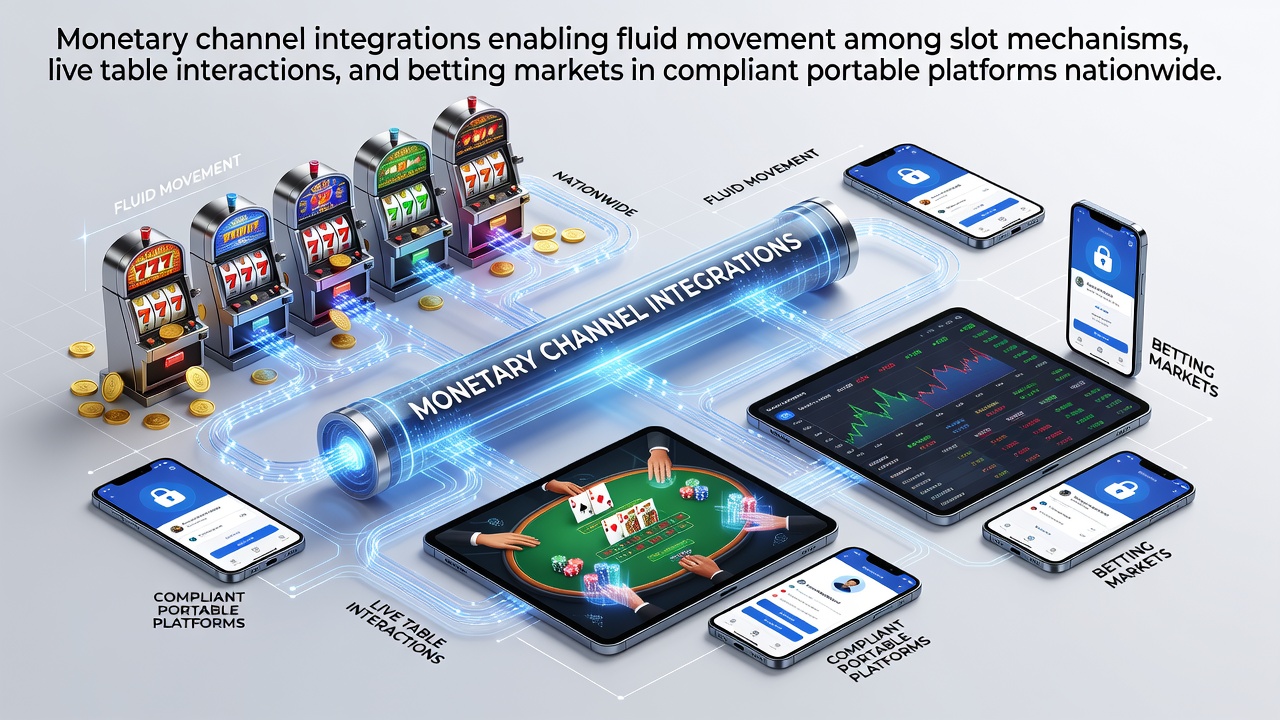
Monetary Channel Integrations Enabling Fluid Movement Among Slot Mechanisms, Live Table Interactions, and Betting Markets in Compliant Portable Platforms Nationwide
Data from multiple state regulators shows monetary channel integrations now allow users to shift funds directly between slot mechanisms, live table interactions, and betting markets within single portable applications that operate under nationwide compliance standards. These systems rely on verified payment rails that maintain transaction records across formats while adhering to jurisdictional rules that vary by state yet share common verification protocols.
Core Components of Integrated Monetary Systems
Operators implement unified ledgers that connect deposit methods to gameplay across verticals so balances update in real time whether a player moves from reel spins to dealer-hosted tables or athletic wagers. Research from the University of Nevada Las Vegas Center for Gaming Research indicates these ledgers reduce processing delays by linking digital wallets directly to each game type through encrypted application programming interfaces that sync with backend servers maintained by licensed platforms.
Compliance frameworks require each transfer to pass automated checks against responsible gaming limits and identity verification databases before funds become available in the next format. States including New Jersey and Pennsylvania enforce these checks through their respective gaming control boards which audit integration logs on a quarterly basis to confirm adherence to transfer rules.
Technical Pathways Supporting Cross-Format Transfers
Portable platforms use tokenized payment channels that isolate each transaction while permitting seamless movement between slot mechanisms and live table sessions without requiring separate logins or re-verification steps. When users complete a slot session the remaining balance appears instantly in the live dealer interface or sports market section because the system routes teh value through a central compliance module that validates the shift against current session rules.
Observers note that July 2026 marks the scheduled rollout of enhanced multi-state data sharing agreements that will standardize transfer reporting across additional jurisdictions and further streamline movement between betting markets and table interactions. These agreements build on existing infrastructure already tested in pilot programs where operators demonstrated consistent audit trails for every cross-format transaction.
Regulatory Oversight Across Jurisdictions
Each compliant application maintains separate ledgers for state-specific requirements yet presents users with a single balance view that updates across all formats. The Illinois Gaming Board publishes annual summaries that detail how such integrations handle tax reporting adn player fund segregation while still allowing fluid shifts from mechanical amusements to athletic predictions within approved smartphone environments.
Industry reports compiled by the American Gaming Association reveal that transaction volumes through integrated channels grew steadily through 2025 as more operators adopted unified payment processors capable of handling simultaneous access to reel mechanisms, hosted tables, and market wagers. These processors incorporate biometric confirmation layers that trigger only when the system detects a format change exceeding predefined thresholds.

Implementation Patterns in Current Deployments
Deployments in regulated markets demonstrate how monetary channels connect video slot machines to professional card tables by routing winnings through intermediate holding accounts that satisfy both state and federal reporting mandates. Users initiate a transfer request inside the application and the system executes verification steps that complete within seconds because pre-cleared payment rails already link the three primary formats.
Additional examples appear in platforms operating under multi-jurisdictional licenses where athletic wagers draw from the same verified balance used for live table interactions. Data shows these configurations maintain separation between game types at the regulatory level while presenting unified interfaces that reduce friction for account holders who switch formats frequently during single sessions.
Future Developments Scheduled for Mid-2026
Scheduled updates in July 2026 include expanded support for cross-border testing environments that allow operators to validate monetary integrations under simulated conditions before full deployment in additional states. These environments focus on maintaining audit integrity when funds move between slot mechanisms and betting markets under varying tax structures.
Technical documentation released by several operators outlines plans to incorporate real-time settlement features that further compress the time between format transitions while preserving the compliance checkpoints required by each participating regulatory body. Such features build directly on existing channel architectures already active in states with mature mobile gaming frameworks.
Conclusion
Monetary channel integrations continue to evolve through coordinated efforts among technology providers, state regulators, and licensed operators who maintain separate yet interconnected systems for slot mechanisms, live table interactions, and betting markets. Nationwide portable platforms reflect these advancements through verified transfer pathways that operate consistently under current compliance standards while preparing for additional capabilities slated for rollout in 2026.