How Emerging Verification Technologies Streamline Transitions Between Reel Games, Table Play, and Event Wagering in State-Approved Mobile Systems
Zoe Müller · Aug 3, 2026
How Emerging Verification Technologies Streamline Transitions Between Reel Games, Table Play, and Event Wagering in State-Approved Mobile Systems
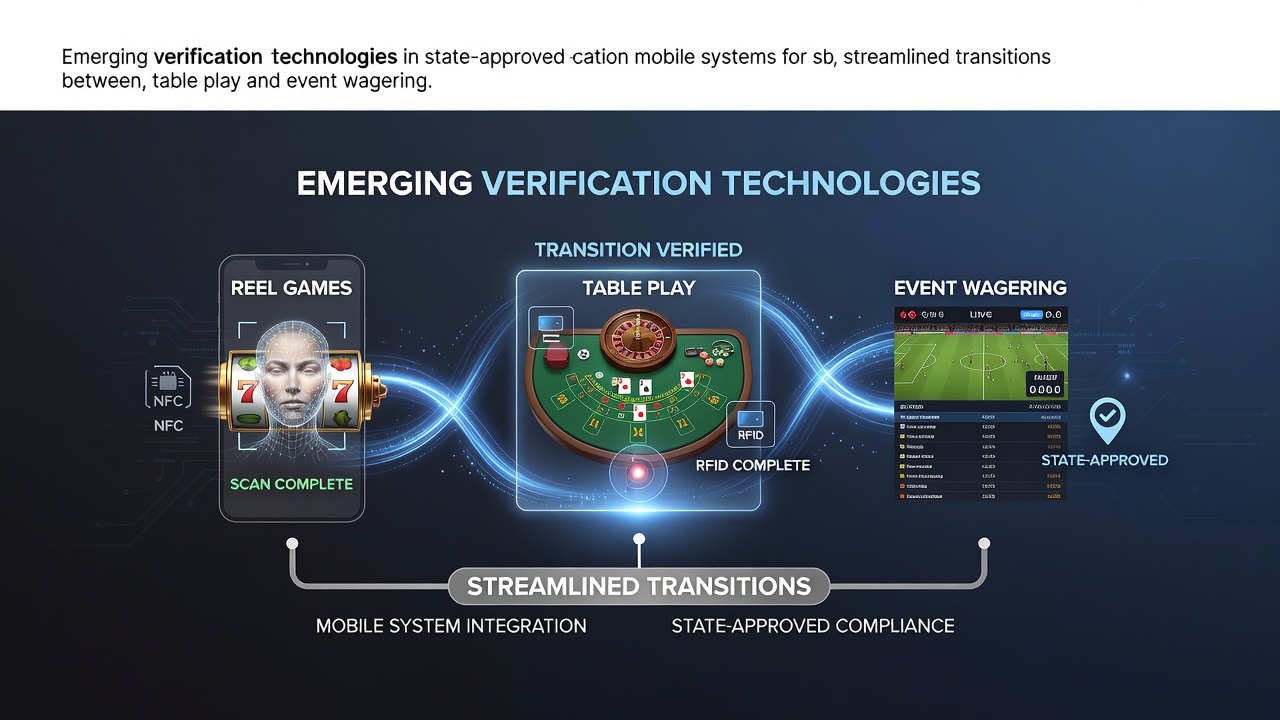
State-approved mobile systems now rely on layered verification tools that let users move between reel games, table play, and event wagering without repeated logins or separate account checks, and these tools draw from biometrics, token-based authentication, and real-time ledger updates. Data from regulated markets shows that operators in multiple jurisdictions have integrated these methods to cut friction while meeting compliance rules set by state gaming authorities.
Core Mechanisms Behind Seamless Format Switching
Verification starts with initial account setup where users provide identity details that systems then encrypt into reusable tokens, and once established these tokens allow instant access across game types because they carry validated session data forward. Researchers tracking platform performance have recorded that such tokens reduce re-verification time by linking reel-based sessions directly to table interfaces and sports markets through encrypted handoffs rather than full restarts. Observers note that this approach aligns with requirements from bodies like the New Jersey Division of Gaming Enforcement, which track how operators maintain continuous identity checks without interrupting play flow.
Biometric layers add another step where facial recognition or fingerprint scans confirm the same user across different game formats, and these scans occur in background intervals so players experience no visible delays when switching from spinning reels to live dealer tables or placing wagers on upcoming events. Studies conducted in operational environments indicate that biometric confirmation happens in under two seconds on average, which supports uninterrupted movement between mechanical amusements, hosted sessions, and athletic markets inside approved applications.
Integration Patterns Across Reel, Table, and Event Options
Platforms achieve fluid transitions by synchronizing verification protocols with game servers so that a player finishing a reel session can enter table play or event markets while the system reuses the active verification state instead of prompting new checks. Figures from market analyses reveal that this synchronization has become standard in states where mobile gaming expanded after 2023, because regulators require consistent identity assurance across all wagering categories. Those who monitor app performance report that the same tokenized session can route activity logs from slots to poker rooms and sportsbooks without creating separate audit trails for each format.

Event wagering benefits particularly because real-time verification updates allow odds and bet placement to draw from the same validated profile used for table games, and this shared profile eliminates the need for players to re-enter details when shifting focus. As of August 2026, several state systems have documented increased session continuity after adopting these updates, with transaction records showing smoother handoffs between formats. Experts tracking regulatory filings note that the pattern matches requirements for audit-ready logs that cover all three categories under one verification umbrella.
Regulatory Alignment and Technology Adoption Trends
State regulators have updated guidelines to accept emerging verification methods that maintain security while permitting cross-format access, and operators respond by embedding these tools into mobile frameworks that already support reel, table, and event modules. Reports from industry research groups highlight that adoption rates rose after 2024 when verification standards incorporated blockchain elements for immutable session records. These records let platforms verify that activity in one format meets the same compliance thresholds applied to the others, reducing administrative overhead during audits.
Academic examinations of mobile gaming ecosystems have examined how token and biometric combinations handle high-volume switches, and findings indicate that error rates drop when systems rely on continuous rather than episodic checks. People involved in platform development often reference these examinations when describing how state-approved apps now route verified users from reel games into table environments and onward to event wagering without separate identity gates. The approach keeps all activity traceable under unified verification while satisfying varying state rules on player tracking.
Practical Outcomes in Multi-Format Environments
Operators report that verification streamlining has produced measurable reductions in session drop-off when users explore multiple formats within single visits, and transaction data supports this by showing higher completion rates for cross-category sequences. Systems achieve this by maintaining a persistent verification token that travels with the user account across reel interfaces, dealer-hosted tables, and sports event modules. Those reviewing operational metrics have observed that the token refreshes automatically during background processes so players encounter no visible interruptions.
Additional examples include platforms that link biometric confirmation to ledger-based transaction verification, allowing instant balance updates when moving winnings from one format to fund play in another. This linkage follows rules established by various state commissions and draws on methods tested in controlled rollouts before wider deployment. Data from those rollouts shows consistent performance across different device types used in state-approved mobile gaming.
Conclusion
Emerging verification technologies continue to reshape how state-approved mobile systems manage transitions between reel games, table play, and event wagering by unifying identity checks under reusable tokens and biometric layers. Regulated operators implement these tools to meet compliance demands while supporting fluid player movement across formats, and ongoing data collection from jurisdictions tracks their effectiveness. The patterns established through 2026 demonstrate how verification protocols now serve as the connective tissue for multi-format access in approved applications.