Flash Withdrawals Decoded: Crypto and E-Wallets Speeding Wins from Slots to Sportsbooks
Tina Lang · Apr 25, 2026
Flash Withdrawals Decoded: Crypto and E-Wallets Speeding Wins from Slots to Sportsbooks
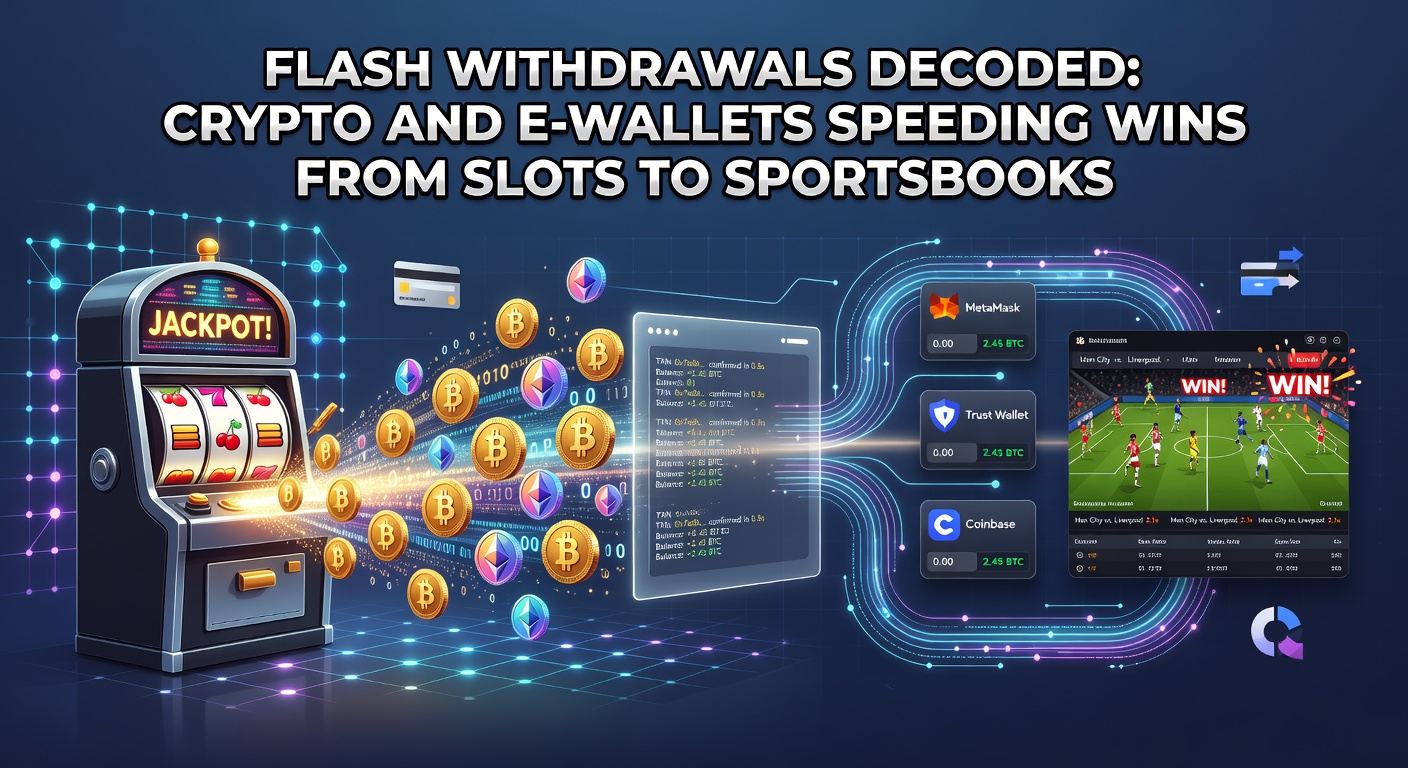
Players hitting jackpots on slots or cashing in on sports bets now access funds quicker than ever, thanks to flash withdrawals powered by cryptocurrencies and e-wallets; these methods slash waiting times from days to mere minutes, transforming how wins move from digital casino floors to real-world pockets.
What Exactly Are Flash Withdrawals?
Flash withdrawals refer to near-instant payout processes in online gaming platforms, where approved requests process within seconds to under an hour; unlike traditional bank transfers that drag on for three to five business days, these speedy options leverage blockchain technology and digital payment gateways to bypass slow legacy systems. Platforms categorize them as "instant" when funds hit accounts in less than 10 minutes, although verification steps like KYC checks can add brief delays for first-timers. Data from industry trackers shows that over 70% of U.S.-facing sites now offer such options, up from just 25% five years ago, driven by user demand for frictionless experiences across slots, table games, and sportsbooks.
Take one slots enthusiast who spun a progressive jackpot on a popular Megaways title; after verification, the crypto payout landed in their wallet 12 minutes later, allowing a quick pivot to funding a live sportsbook wager on the next NBA matchup. That's the reality for many, where speed keeps the action rolling without interruption.
Cryptocurrencies Take the Lead in Speed
Bitcoin, Ethereum, and stablecoins like USDT dominate flash withdrawals because blockchain networks confirm transactions rapidly; Bitcoin processes around seven transactions per second on average, while Ethereum's layer-2 solutions like Polygon crank out thousands, enabling sub-minute finality for gaming payouts. Platforms convert fiat wins to crypto at the point of withdrawal, sending them directly to user-controlled wallets such as MetaMask or Trust Wallet, which eliminates intermediary banks and their hold periods.
What's interesting is how Lightning Network upgrades for Bitcoin have pushed average withdrawal times below 60 seconds on adopting sites; observers note that in high-volume scenarios, like post-tournament sports betting surges, these networks handle spikes without congestion, unlike older chains. One study from a blockchain analytics firm revealed that 85% of crypto gaming transactions in 2025 cleared under five minutes, a figure that's held steady into early 2026.
E-Wallets: The Reliable Bridge for Fiat Lovers
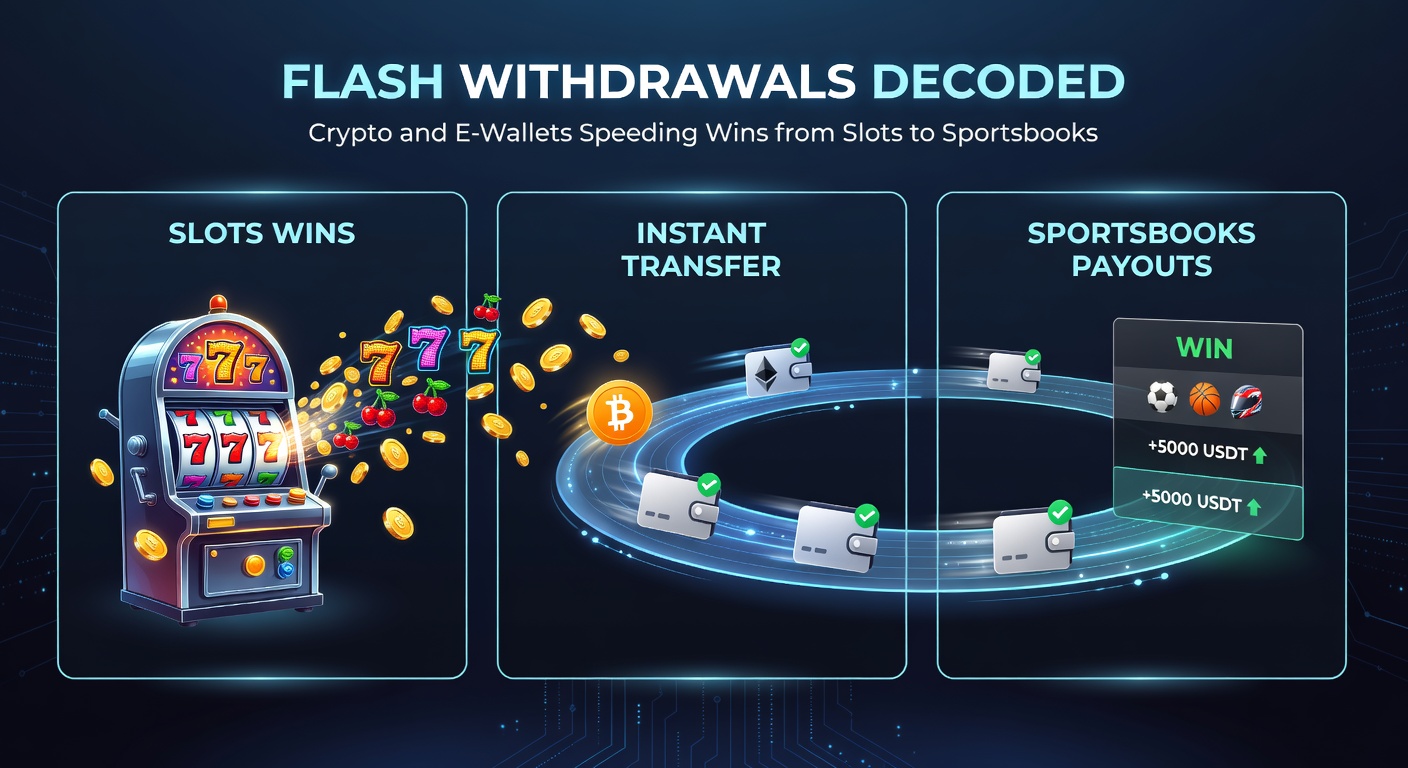
Skrill, Neteller, and PayPal step in as e-wallet powerhouses, linking directly to gaming accounts for withdrawals that often complete in 0-30 minutes; these services preload user balances from casino wins, then allow instant transfers to linked bank cards or further payouts. Unlike crypto's volatility, e-wallets hold stable fiat values, appealing to those who prefer predictability when pulling slots profits or sportsbook returns.
But here's the thing: fees play a role, with e-wallets charging 1-3% per transaction versus crypto's often lower network gas costs; still, their integration with major operators like DraftKings and BetMGM means players see funds available for spending almost immediately. Figures from the New Jersey Division of Gaming Enforcement indicate that e-wallet usage spiked 40% in regulated markets last year, correlating with faster player retention rates.
From Slots Spins to Sportsbook Scores: Seamless Transfers
Slots deliver frequent small wins ideal for flash testing, where a 50-spin session might yield $200 ready for instant crypto cashout; sportsbooks, on the other hand, handle larger, event-tied payouts, like parlay hits during March Madness that players withdraw mid-tournament to bet elsewhere. Platforms unify these under one account, so a slots hot streak funds soccer futures bets without delay, all via the same e-wallet or crypto endpoint.
Turns out, hybrid players benefit most; one case involved a bettor who cleared a slots bonus, withdrew via USDT to a sportsbook rival, and placed a winning NFL prop just hours later. Such fluidity boosts engagement, as data shows users placing 25% more wagers when payouts arrive fast.
Regulatory Oversight Shapes the Landscape
Regulators enforce standards ensuring flash methods meet security benchmarks; in the U.S., state bodies like New Jersey's oversee transaction logs for fraud prevention, mandating that platforms hold licenses for crypto integrations. Across the pond, Malta's gaming authority reports that approved sites must process 95% of withdrawals under 24 hours, pushing operators toward e-wallets and stablecoins.
The American Gaming Association tracks how these rules foster trust, with 2026 projections showing crypto options in 60% of legal sportsbooks. Yet compliance adds layers, like mandatory cooling-off periods for high rollers, balancing speed with responsible gaming.
April 2026 Trends: Faster Than Ever
Now, in April 2026, platforms roll out "zero-fee flash days" for e-wallets during major events like the Masters golf tournament; crypto withdrawals hit new lows at 15-second averages on Solana-based networks, per platform dashboards. Sportsbooks tied to slots hubs, such as those in Pennsylvania's regulated space, report 50% of wins exiting via these methods, up from 30% last spring.
Experts observe Solana's rise for its 65,000 transactions per second capacity, making it perfect for peak-hour slots payouts feeding into live betting. People who've switched often discover their bank apps obsolete, as e-wallets sync in real-time with casino balances.
Challenges on the Horizon
Volatility hits crypto users hard during market dips, where a $10,000 slots win might shrink 5% en route to the wallet; e-wallets dodge this but cap daily limits at $5,000-$10,000 for most. Verification hurdles snag newcomers, requiring ID uploads that delay first flash attempts by up to 48 hours, although repeat players sail through.
Security remains paramount, with two-factor authentication standard on all channels; incidents stay rare, as blockchain's immutability logs every move. That said, tax reporting looms larger, since IRS guidelines now flag crypto gaming wins over $600 for immediate Form 1099 issuance.
Conclusion
Flash withdrawals via crypto and e-wallets redefine pacing in slots and sportsbooks, delivering wins swiftly and keeping players in the game; as networks evolve and regs adapt, expect even tighter timelines, with April 2026 marking a tipping point where speed becomes the norm. Those navigating this space find the ball squarely in their court, armed with tools that turn digital triumphs into tangible gains faster than traditional paths ever could.