Biometric Integration Patterns Reshaping Access Routes to Diverse Gaming Formats in Approved American Mobile Applications
Uma Fischer · Jun 20, 2026
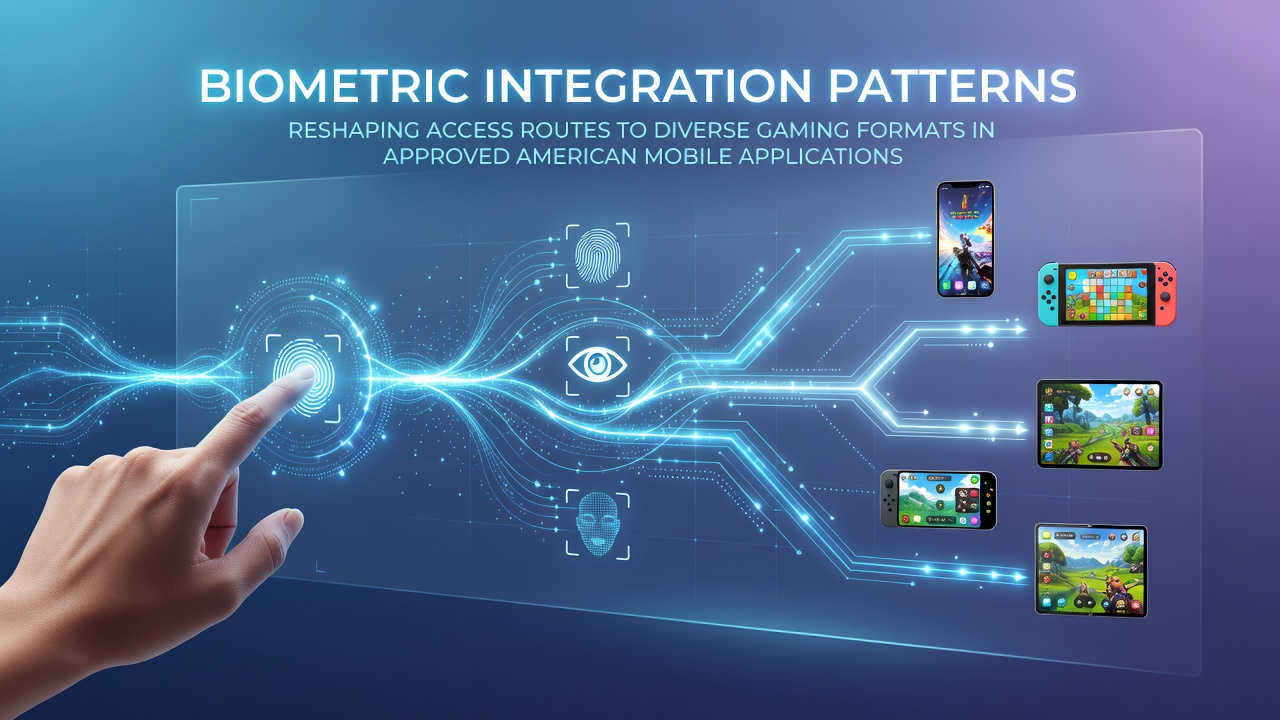
Biometric Integration Patterns Reshaping Access Routes to Diverse Gaming Formats in Approved American Mobile Applications
Biometric integration has emerged as a central mechanism for streamlining entry points within regulated American mobile gaming platforms, connecting users to slot machines, live dealer tables, and sports wagering sections through unified verification layers. Developers have embedded fingerprint scanners alongside facial recognition protocols that sync directly with state licensing databases, allowing seamless transitions between game formats once initial authentication clears. This pattern reduces friction at multiple access points while maintaining compliance with jurisdiction-specific rules that govern each format separately.
Core Authentication Patterns in Multi-Format Ecosystems
Patterns observed across approved applications show repeated use of layered biometric checks that trigger at different stages of user interaction. Initial login often relies on facial mapping to confirm identity against stored profiles, after which fingerprint confirmation grants entry to specific categories such as video reels or athletic markets. Researchers tracking adoption rates note that these sequential steps appear most frequently in platforms licensed by states including New Jersey and Pennsylvania, where digital transfers between formats require ongoing verification to prevent unauthorized shifts. Data from industry monitoring indicates that such patterns have expanded notably by mid-2026, with several operators reporting higher retention figures tied to reduced password reliance.
One documented configuration involves continuous passive monitoring during active sessions, where the device camera periodically validates user presence without interrupting play. This approach supports fluid movement from reel-based games into hosted table environments or live betting interfaces, all within the same application shell. Observers tracking these systems highlight how the integration aligns with broader security frameworks that link device hardware capabilities to backend compliance servers operated under state oversight.
Regulatory Alignment and State-Level Implementation
State regulatory bodies have shaped these integration patterns through explicit guidelines on identity verification. The Nevada Gaming Control Board, for instance, has outlined requirements that tie biometric data handling to existing player tracking systems, ensuring that access routes to diverse formats remain auditable. Similar directives from the New Jersey Division of Gaming Enforcement emphasize encryption standards for biometric templates stored locally on devices rather than centralized servers. These rules have prompted application developers to adopt standardized APIs that communicate verification status across slot, table, and sports modules without exposing raw biometric inputs.
By June 2026 several states had synchronized their compliance portals with updated biometric protocols, enabling operators to deploy unified access layers that satisfy multiple license conditions simultaneously. Figures released through regulatory filings reveal that platforms incorporating these patterns experienced fewer verification-related interruptions compared to earlier password-centric models.
Technical Pathways Connecting Game Categories
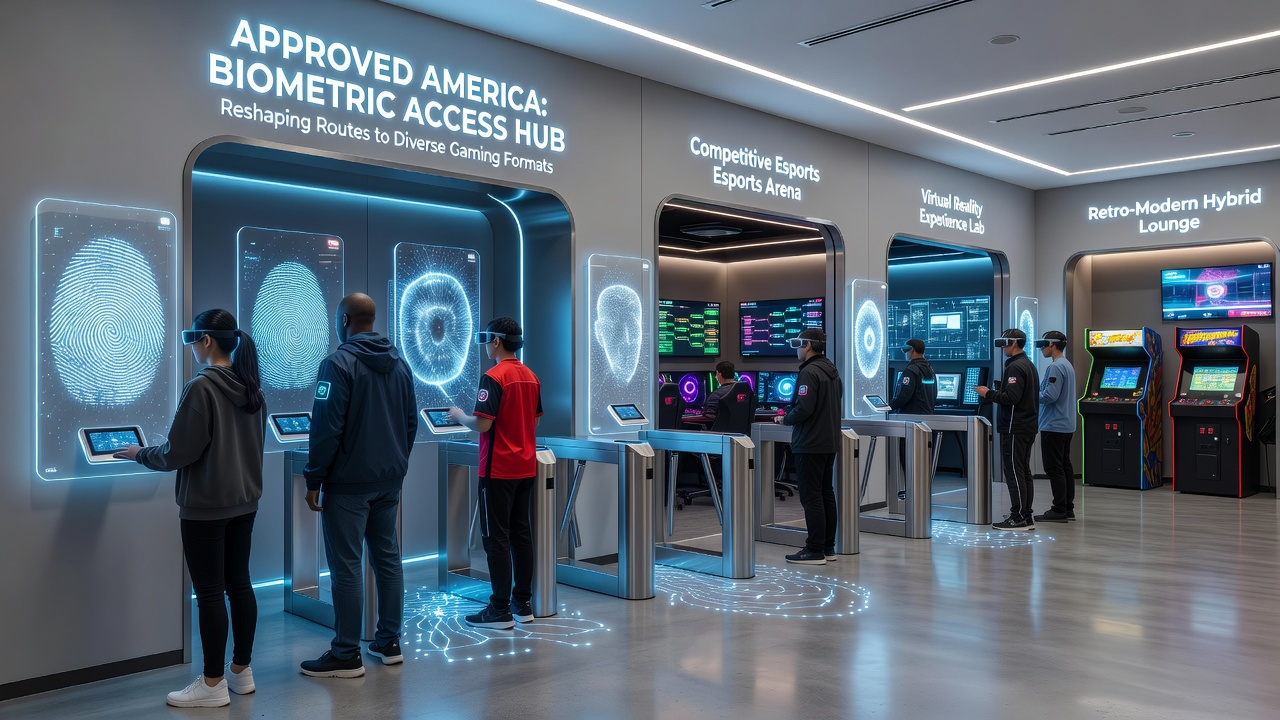
Technical architectures supporting these patterns typically route biometric confirmation through a central session manager that validates against format-specific rulesets. When a user completes facial authentication, the system unlocks a dashboard from which direct navigation to slots, poker tables, or sportsbooks occurs without secondary logins. Industry reports compiled by the American Gaming Association document how this central manager reduces average session initiation time while preserving audit trails required for each vertical. American Gaming Association resources detail the expansion of such architectures across multiple jurisdictions.
Additional patterns include fallback mechanisms that activate when primary biometrics encounter hardware limitations, shifting temporarily to knowledge-based challenges before re-establishing biometric continuity. These hybrid sequences appear particularly in applications serving users across state lines where connectivity varies. University-led analyses from institutions examining digital security have examined how these pathways maintain consistency across reel amusements, dealer-hosted sessions, and market-based wagering without compromising individual format regulations.
Security and Compliance Outcomes
Evidence collected from operational deployments shows that biometric patterns correlate with measurable declines in account sharing incidents within approved environments. State auditors have noted improved detection rates for anomalous access attempts when facial and fingerprint data combine with device geolocation checks. This combination supports compliance with federal and state statutes governing online gaming without requiring separate verification flows for each game type.
Platforms operating under these patterns also demonstrate compatibility with emerging standards for data minimization, storing only encrypted hashes rather than full biometric images. Such practices align with guidance issued by various gaming control agencies that prioritize user privacy alongside operational integrity.
Conclusion
Biometric integration patterns continue to define access infrastructure for American mobile gaming applications, linking verification processes directly to the operational requirements of slots, tables, and sports formats. Regulatory evolution through 2026 has reinforced these connections, producing measurable consistency in how approved platforms manage user transitions. Data from oversight bodies and industry tracking confirms that the described patterns represent established technical responses to compliance demands across regulated markets.